
2025 Speakers & Workshop Presenters
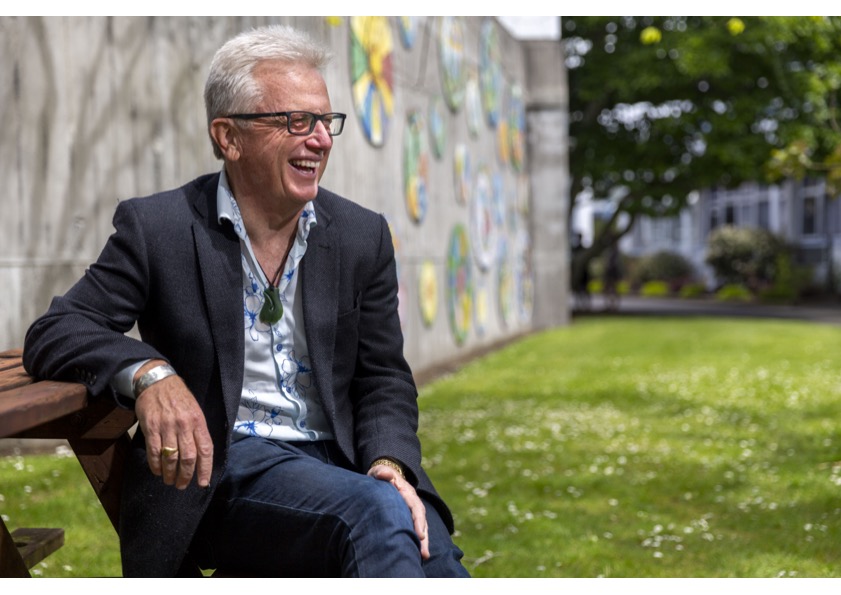
Peter O’Connor
Peter is Professor of Education and Director of the Centre for Arts and Social Transformation at Waipapa Taumata Rau, the University of AUckland. With over 100 publications he is a world leader in the research of and practice of the arts during disaster. His most recent work includes co-designing the Mitey approach for the Sir John Kirwan Foundation, and leading the Te Rito Toi resource development for using the arts post trauma in schools.
PRESENTATION ON: Teaching: The greatest art. Nonsense phrases like ‘knowledge rich curriculum’ and ‘science of learning’ are thankfully already fading in education jargon. Teachers know there is so much more to learning and teaching. Teaching centred on improvisation creates classroom rich in the imagination. IT lifts the classroom beyond the mundane..Arts educators know this more than anyone.
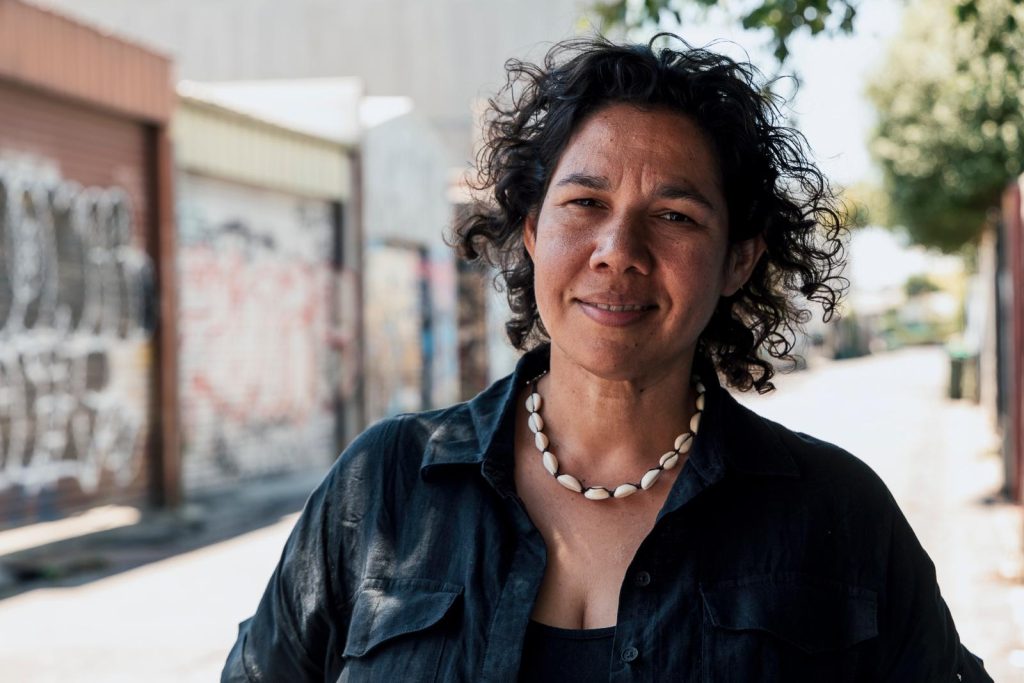
Jessie Lloyd
Jessie Lloyd is an award-winning Aboriginal and Torres Strait Islander musician, cultural practitioner and Songkeeper dedicated to the continuation of Indigenous music and knowledge. Through her work, Jessie revives and shares songs that carry deep cultural and historical meaning, making them accessible for new generations.
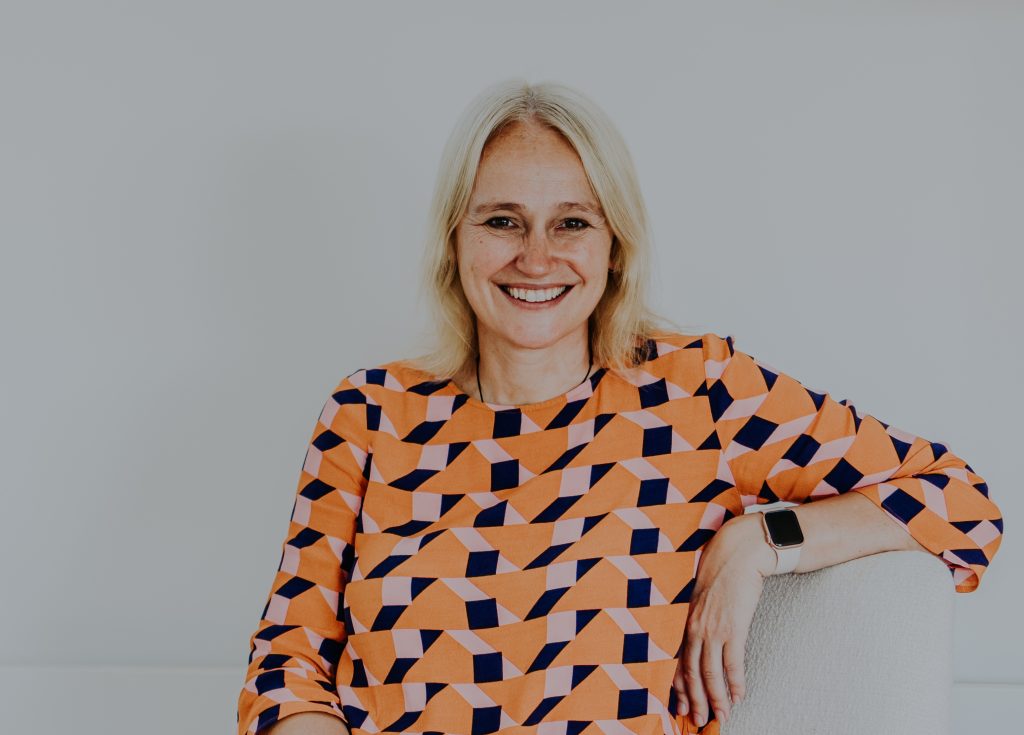
Emily Wilson
Emily Wilson is a non-Indigenous music educator. She is a senior lecturer and head of music education at the Faculty of Education, University of Melbourne. Her teaching and research foci include student engagement, decolonising music education, and showcasing Indigenous knowledges through music.
Jessie & Emily’s Presentation: Aboriginal & Torres Strait Knowledges through Stories and Song
Renowned Aboriginal and Torres Strait musician and cultural historian Jessie Lloyd is well-known through her Mission Songs Project which is widely used by primary and secondary teachers across Australia. Jessie has recently released an Aboriginal and Torres Strait Islander Songbook that is an introduction to a broad range of Indigenous knowledges through stories and songs. Topics include: language and welcome songs, traditional dances, Aboriginal and Torres Strait Islander instrumentation, songs that explain the Aboriginal and the Torres Strait Islander flags, and Jessie’s family’s story of the Stolen Generations through song. The songs are all public songs and can be taught by Indigenous and non-Indigenous educators both in Australia and internationally. The Songbook is for use across early childhood, primary and secondary schools as well as more broadly by community groups. As part of the creation process, Jessie has been delivering workshops for school students and professional learning for teachers, including pre-service teachers at universities. In this keynote, Jessie and Emily will share stories and songs from Jessie’s Aboriginal and Torres Strait Islander Songbook and insights from the process of creating the Songbook.
Horomona Horo, Wiremu Sarich, Christian McDonald, Priya Gain
Tai Orooro Tai Auaha – Taonga Puoro Wānanga
This presentation will be presented by Wiremu Sarich, Horomona Horo, Priya Gain and Christian McDonald. All from differing backgrounds, but with a common interest of providing a space to wananga with our future leaders through Toi Maori. This keynote presentation will focus on the journey of Tai Orooro Tai Auaha – a wananga model birthed by the sounds of Taonga Puoro in mainstream education – its collaborations, challenges, successes, implications, educational and student centered outcomes.
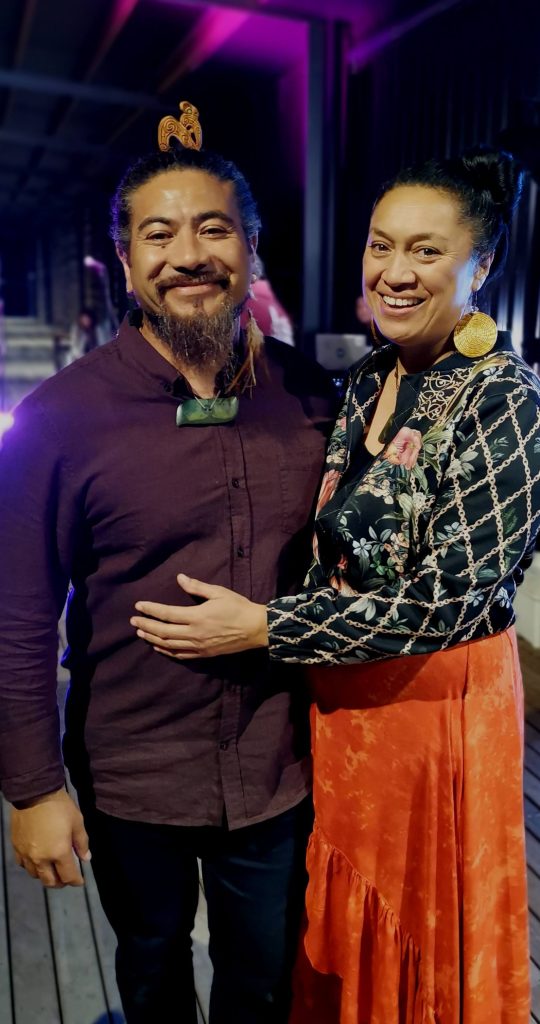
Wiremu Sarich and Anna Tripp
Wiremu Sarich and Anna Tripp are founders of Tatuu Roa Ltd, an education based company dedicate to the revitalisation of Nga Taonga Tuku Iho (ancestral gifts) and matauranga Maori. Tatuu Roa specialise in marae, school and community based wananga (education programs) that love to share and weave their passion for education through Nga Taonga Taakaro, Taonga Puoro, Mau Rakau, and Mahinga kai. Wiremu and Anna have been based Te Hiku o Te Ika for the past 14 years and have recently returned to Hokianga where their true heart and fire for life are a blaze.
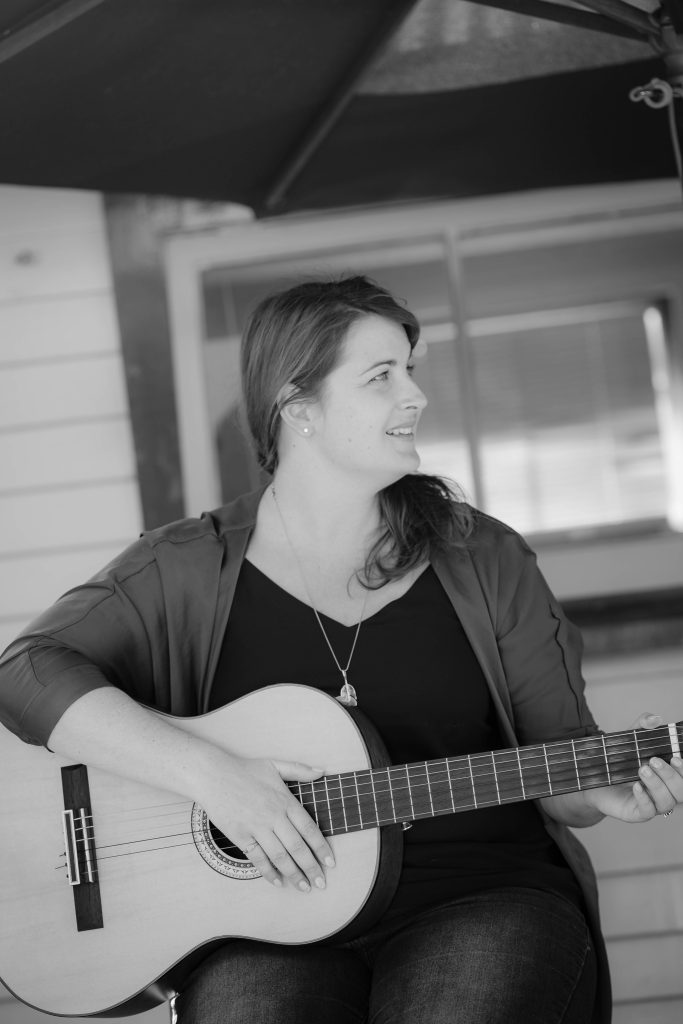
Rani Allan
Rani Allan – Certified and registered Music Therapist (NZRMTh) with NZChild Safety Certification to work with High and Complex Needs Children. Clinical lead and owner of Music for Life. Rani holds a Masters degree in Music Therapy after graduating in 2012. She is passionate about the uses of music in both educational and medical settings, working in both, across the lifespan in a variety of different settings, from schools to mental health spaces, to rest homes. She runs her own private practice called Music for Life which has a growing team of six Registered Music Therapists who cover the Greater Wellington Region. She is mum to two beautiful girls, Eleanor and Molly and partner to Danny, (plus the many cats and dog!) She has made Te Awakairangi her home since 2010.
PRESENTATION ON: Creating Cohesive Cultures
Games and activities that enhance group cohesiveness, establish bonds, and build connection and a sense of belonging. I’m excited to share this workshop, which focuses on enriching group dynamics in the classroom and other environments. This engaging experience delves into emotional intelligence, helping tamariki (children) articulate their needs, emotions, and behaviours more effectively. Through a variety of engaging activities, including songs, body percussion, and improvised instruments, we’ll create a calm learning atmosphere. Having trained in my Level 1 and 2 ORFF, I’ve married the beautiful learning approach with my Master’s training in music therapy so that the songs and techniques can facilitate awareness of self and others among our diverse learners. We’ll concentrate on essential skills like turn-taking and active listening while exploring the important concepts of ‘stop’ and ‘go.’ Together, we’ll uncover vibrant strategies to foster student engagement and build a supportive community. This unique approach will empower kaitiaki (teachers) with fresh insights to better connect with their students/clients and manage group dynamics effectively.
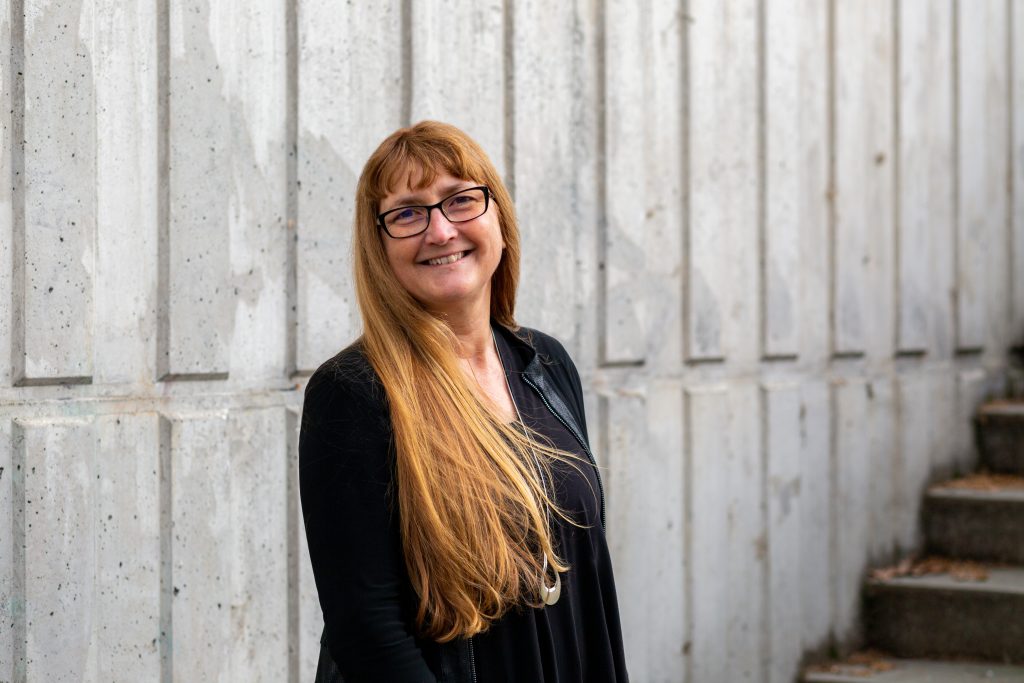
Judith Bell
Judith is passionate about youth jazz education and runs the jazz programmes at Chisnallwood Intermediate and Shirley Boys High. She plays regularly in Sideline Swing (sax and vocals) and the All Girl Big Band (trombone). Starting as youth jazz education rep on the ChCh Big Band Festival committee she is now artist director for the festival which now includes Junior Jazz Jam, an event for primary school jazz bands. She recently was made a MNZM for services to music education.
PRESENTATIONS ON: AI in music education: taking it Beat by Bit – An introductory look and discussion on a range of AI applications in a music education setting. AND: Don’t ditch the numbers in pitch representation – here’s why! Judith will look at the value of maintaining numerical pitch representation throughout music education from birth to tertiary and beyond. Judith will share some easy games and activities that have long term benefits for students who later may go on to high lever music such as figured bass, jazz, rock, or reading music from other cultures.
Hannah Darroch
Hannah Darroch is the new Chief Executive of SOUNZ Centre for New Zealand Music, returning to Wellington after four years as Principal Flute of the Christchurch Symphony Orchestra and Artist Teacher at the University of Canterbury’s School of Music.
Her genre-crossing career as a flutist has included work with artists ranging from Renée Fleming to Diana Krall and Che Fu. She has toured for Chamber Music New Zealand with Canadian guitarist Steve Cowan (2022), and percussionist Justin DeHart (2024). Hannah can be heard on a number of NZSO recordings on the Naxos, EMI, and Universal labels, including the soundtrack to The Hobbit, and also features on the documentary film Tiki Taane in Session with CSO. She recently commissioned and recorded four new works by NZ women composers, which are regularly broadcast on RNZ Concert.
International appearances include a concerto at the 2019 International Conference on Mixed Music Pedagogy in Montreal, a free improvisation clinic at the 2020 Jazz Education Network conference in New Orleans, and a residency with the International Contemporary Ensemble at the Banff Centre for Arts and Creativity. She has a Doctor of Music from McGill University, a Master of Music from the University of Colorado Boulder, and an MBA in Arts Innovation through the Global Leaders Institute. She is also a graduate of the New Zealand School of Music in Wellington.
Presentation: Introducing students to NZ composition
The mission of SOUNZ Centre for New Zealand Music is “to champion and promote the sounds and music of Aotearoa” – they support hundreds of member composers and many partner organisations in ensuring that locally-made music is experienced. Teachers may know SOUNZ from their long-standing support of school events including The Big Sing and the NZCF Chamber Music Contest, where they sponsor awards and prizes in both student composition and the performance of NZ works. Over the years the SOUNZ online database has become the one-stop-shop for all things NZ composition – and they have also produced content (videos, podcasts, interviews, and an introductory series on taonga puoro) that have had a broad appeal across concert-going audiences and more educational settings.
If you’re interested in finding out more about what SOUNZ has to offer teachers and students, this presentation is for you – Chief Executive Hannah Darroch will guide you through some of SOUNZ’s pathways into NZ composition, which are perfect for music students of all ages. SOUNZ staff are also happy to answer your questions, and would love to find out more from educators about their experiences with NZ music, what the current barriers are, and how SOUNZ might be able to better support this space in the future.
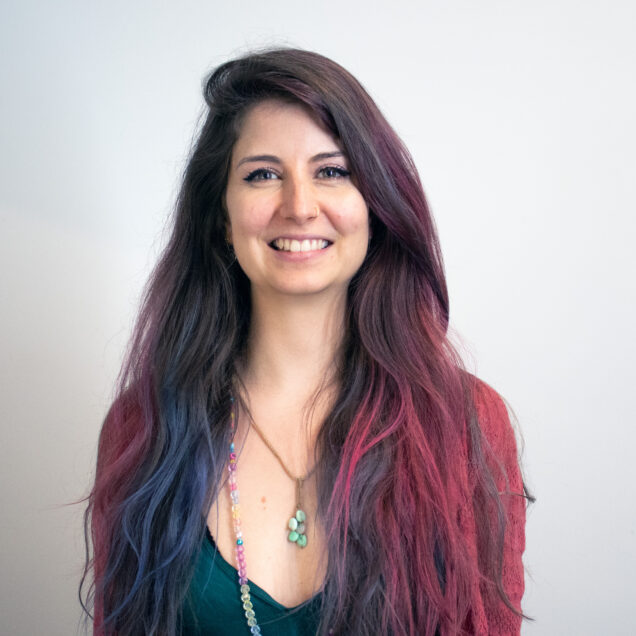
Molly Devine
Molly Devine is a singer, songwriter, DJ, and music educator currently serving as Head of Songwriting at SAE Creative Media Institute Auckland. They lead the Diploma in Songwriting and Musicianship and Bachelor of Songwriting programmes, with a focus on hands-on, culturally grounded, and future-facing music education. Holding a Master’s in Music Performance and a Master’s in Teaching and Learning, Molly brings deep industry insight, educational expertise, and a strong connection to Aotearoa’s music scene. Their teaching supports creative identity development and authentic songwriting, including work in te reo Māori and Pacific languages. They champion cross-disciplinary collaboration across SAE’s music, audio, and screen programmes. As an artist, Molly has toured nationally, released original music, and performed alongside acts like Anastacia, The Doobie Brothers, and Billy Idol, as well as with the Dunedin Symphony Orchestra. Their passion is empowering the next generation of Aotearoa songwriters.
PRESENTATION ON: Trust the Process: Why messy projects make great music education. In Aotearoa’s increasingly diverse music classrooms, project-based learning offers a way to honour each learner’s voice, background, and strengths. But collaboration isn’t always smooth. This workshop explores how to guide students through the messy, emotional, often deeply human process of working together. Rooted in kindness and manaakitanga, we’ll share tools and reflections for creating music projects that are inclusive, culturally responsive, and genuinely transformative.

Dr. Martin Emo
Dr. Martin Emo a Lead Adviser for Learning Design in the Curriculum Centre of the Ministry of Education Learning Area Lead (Arts, Social Sciences, Health and Physical Education). He is based in sunny Whakatū (Nelson) and brings extensive experience in curriculum, assessment, pedagogy and digital technology in Music. He began as secondary school teacher 20 years ago and has since held various roles for NZQA, the MoE, MENZA along with work in the commercial education space with Serato, Ableton and Melodics. He listened to his entire vinyl collection over 5 years whilst completing a Masters and PHD in music education. Beyond his educational expertise, Martin is also known as DJ Tunesifter – “one who sifts the tunes” – starting his 26-year DJing journey in 1999 with a formative year doing gigs with borrowed turntables and a mixer with just volume, no EQ, no effects. Originally mixing on vinyl for 20 years before transitioning to digital and now stem DJing, he has continued to play his unique blend of funk, soul, disco, hip hop and latin for festivals, street parties, regular club nights and private functions, bringing the same thoughtful curation approach to music that he applies to educational design.
DJ WORKSHOP: What is DJing really? Is it simply adjusting volume on a Spotify playlist? Can AI music apps truly replace the artistry of live DJing? This workshop cuts through the myths to reveal what DJs actually do – from the fundamental skills of beatmatching and song selection to advanced techniques using STEMS (separate vocals, instruments, bass and drums). Dr Martin Emo will demonstrate the musical and technical expertise behind great DJing, showing how it connects to core music education concepts your students may already understand.
What You’ll Experience:
- Live demonstrations of basic to advanced DJ techniques
- Hands-on practice with professional DJ controllers
- Musical analysis of mixing, phrasing, and harmonic matching
- Equipment overview from beginner to professional setups
- Curriculum connections for Primary through NCEA levels
- Resource pathways for supporting student DJ learning
Why This Matters:
DJing is performing on an instrument. It combines music theory, technology, and performance in ways that deeply engage students. This workshop translates DJ techniques into familiar musical language for teachers, helping you to consider how you might integrate this powerful creative medium into your teaching practice. Perfect for music teachers who want to understand and harness the educational potential of DJing – no prior DJ experience required!
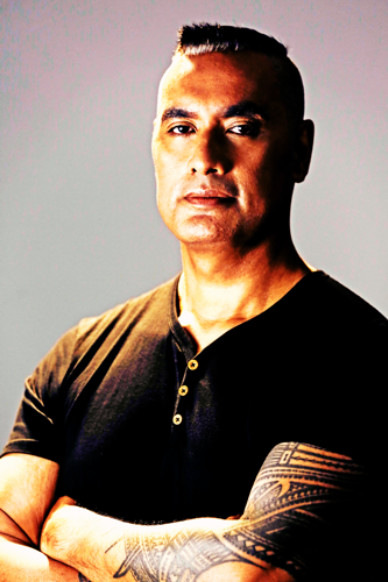
Associate Professor Tuilagi Dr. Igelese Ete
Music Supervisor, Composer/Arranger of the Samoan Medley on the NZ/Samoan hit Film: Tinā (Mother)
Tuilagi Dr. Igelese Ete is an esteemed Samoan academic, composer, and arts leader, holding the chiefly title Tuilagi from Fatausi, Savai’i. With ancestral ties to Faleālupo, Lalomālava, Fusi, and Vaovai, he brings deep cultural knowledge to his work in creative practice, pedagogy, and Pacific-led research.
Igelese serves as Associate Dean (Pacific) and Associate Professor at Massey University’s College of Creative Arts, where he champions Indigenous and Pacific creative frameworks within higher education.
An international figure in Pacific choral composition and conducting, Dr. Ete was appointed an adjudicator for the World Choir Games and received the Senior Pacific Artist Award from Creative New Zealand in 2008 for his outstanding contributions to Pacific music in Aotearoa and Oceania. His work in applied creative research includes choral direction/choirmaster for major international films such as The Lord of the Rings and Disney’s Moana.
More recently, he was the Music Supervisor, choral arranger, and conductor of the Samoan medley in the hit NZ/Samoan film Tinā (2025). His ongoing work affirms the vital role of Pacific creative arts in decolonising education, enriching community wellbeing, and advancing global discourse in Pacific and Indigenous creative and performing arts.
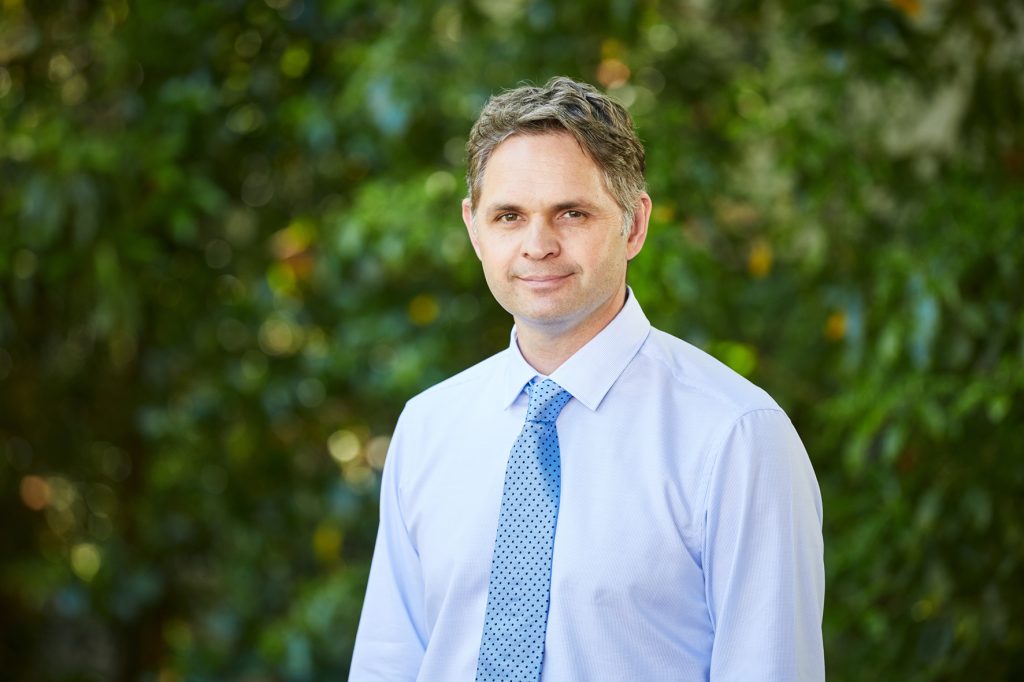
Duncan Ferguson
Duncan is the founder of Learning Ideas Ltd; a business he created to support New Zealand teachers with workbooks, exams, tutorials and professional development in NCEA assessment. He is also the Head of Department at St Andrew’s College where he is known for producing the Prizegiving videos of “Stairway to Heaver” and “Viva la Vida” which have garnered over 4 millions views across social media.
PRESENTATION ON: Student work and exemplars for NCEA 1.1 – Beats Recreation
Beats Recreation is proving to be one of the most popular of NZQA’s tasks for the new 1.1 Music Skills Achievement Standard. In this session Duncan will briefly share his approach to teaching the skills necessary for assessment, before spending the majority of the session looking at student exemplars and how students produced their work using free software.
Stephen Garton
Stephen is a music teacher at Ashburton College and a current MENZA board member. His background is in digital multimedia such as photography, videography, sound engineering, recording and graphic design. He is passionate about arts education and passing on skills and knowledge to rangatahi of Aotearoa.
PRESENTATION ON: NCEA 1.3: Tangata Tiriti – Toitū te Kaupapa, Toitū te Mana
This workshop will focus on NCEA 1.3 from the perspective of Tangata Tiriti. The title of this workshop embodies identity as Tangata Tiriti and working in partnership with Tangata Whenua within Aotearoa’s educational landscape. The kōrero will centre on how we can honour this relationship in ways that are meaningful and authentic. Additionally, the workshop will cover key considerations for the standard, including repertoire selection, engagement with recent exemplars, and insights from the 2024 assessment reports.
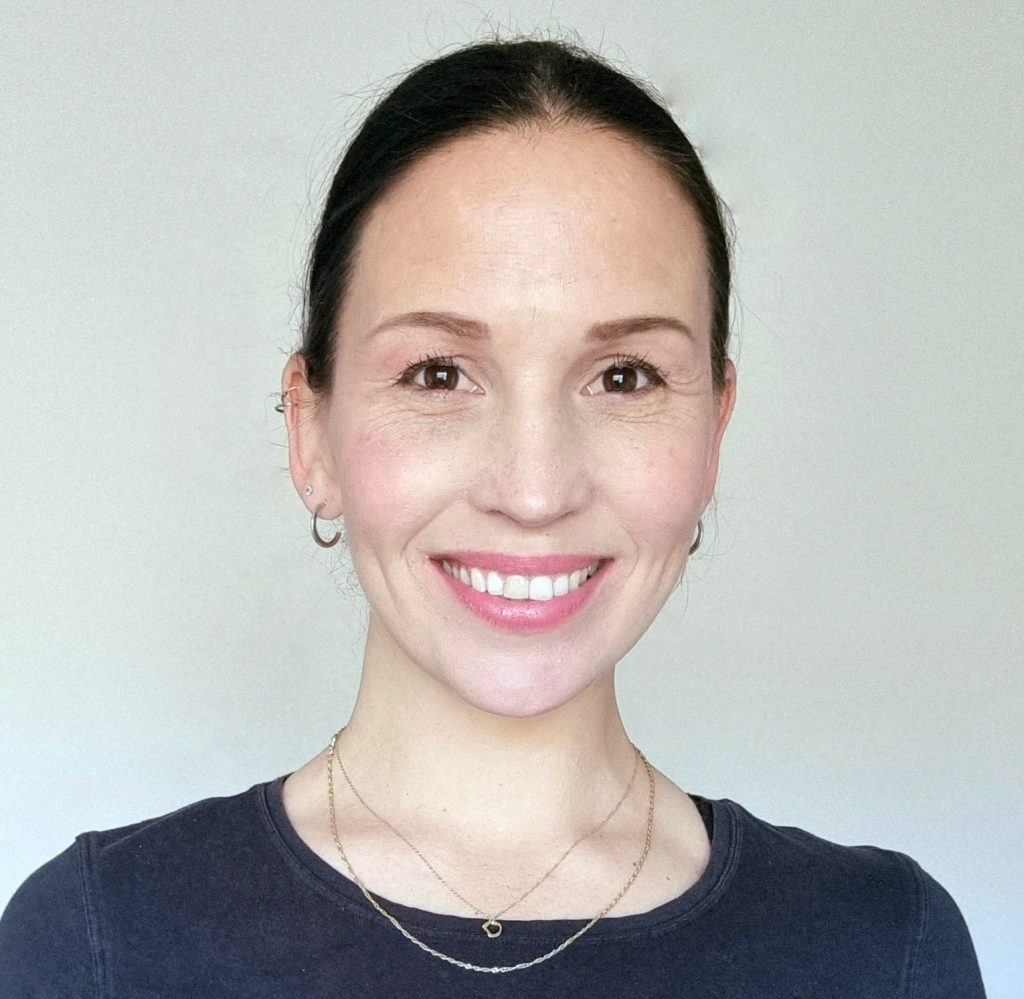
Kerry Glen
Kerry has worked as an Early Childhood Teacher for over 10 years and is experienced in working with a range of age groups and teaching positions. Kerry has brought her knowledge and passion for music into the classroom, harnessing the power of music and dance through a range of initiatives. She completed her Post-Grad certificate in Education in 2016 which led to her current lecturing role. She has recently led a workshop and published an article for the Early Childhood Council focused on fostering musical play in ECE and is excited to continue to share her passion in this area.
PRESENTATION ON: Magical Music Moments – Fostering connection through music-making with Infants, Toddlers and Children
This workshop will unpack the impact of music-making on social connection, and provide practical ideas for exploring key musical elements in a group setting.
Michelle Hall
Kaiako me te Tumuaki Tuarua o te Kura o Makaraka. I’ve been teaching in the Tairāwhiti region for 23 years, in a community rich in Māori culture. My roles have included Scale A teacher, specialist teacher for Drama and Dance at Gisborne Intermediate, and now Deputy Principal at Makaraka School, where I also lead curriculum and teach full-time. I hold a Master of Education (2014) from the University of Waikato, focusing on performing arts. In 2017, I completed a Level 4 Orff Music certificate and have led PLD in this pedagogy alongside with teaching music using Orff Schulwerk, tutoring cello in the Out of Hours Music Programme, and playing in a community orchestra. I’ve directed numerous school productions and use drama and music in my teaching. As an executive member of the Dramatic Inquiry Aotearoa Trust, the Arts pedagogy is dear to my heart!
PRESENTATION ON: Ētahi purakau mō Matariki – Using some of the stories of Matariki from around the Motu and Pacific we will explore dramatic inquiry, use a unique Moteatea from our kura and create Mataraiki music into a beautiful presentation. This workshop will introduce some darma conventions and link in dance elements to produce accompanying music made with percussion and some melodic instruments.
Jeni Little
Jeni Little is a highly respected music educator in Aotearoa, with experience from early childhood to tertiary levels. Currently Music Specialist at Hobsonville Point Secondary School, she has also led departments at Green Bay High School and Epsom Girls Grammar School. Jeni is a NZ Music Commission Trust Board Member and actively contributes to MENZA, notably through the “Safer Spaces in Music Education” initiative. Passionate about creating resources, she has consulted for the NZ Music Industry Commission and published materials via Chimaera, focusing on New Zealand and Polynesian music. An accomplished composer, performer, and ethnomusicologist (M.Mus Hons), Jeni’s dedication to innovative and inclusive music education makes her an inspiring figure in the MENZA community.
PRESENTATION ON: Music Education and Evolving Technology – a Long and Personal Journey
Jeni has been in the classroom for over 52 years – 18 years as a learner, and 38 years as a teacher. She has experienced a lot of change in that time which she will share in this presentation, highlighting significant shifts in pedagogy, and exploring how the evolution of music technology has supported and enhanced music education. Looking to the future – where are we headed and what might that sound/look like? What are the learning experiences we hope to provide our future students? How will we get there? What are our shared themes and big ideas?
Katherine Matamua
Talofa lava, O lou ingoa o Katherine Matamua. My role is professional development through collaboration with educators and tamariki across the motu. Ulingaholo is a Pasifika association dedicated to tautoko, your Pasifika malaga. Ulingaholo offers, in class support, teacher hubs, cultural music, dance, talanoa through historic and bringing tala to contemporary times.
PRESENTATION ON: Ulingaholo Moving Forward Pasifika Association Sasa Siva
Attend our Ulingaholo workshop for some fun and laughter as we blend your ideas and meanings to a traditional form of siva. Leave with an understanding of a Samoan Sasa for the future. Please join our website www.upa.ac.nz for contact details and what we do. Faafetai tele lava!!!
Dr Graham McPhail
Dr Graham McPhail taught secondary school music in Auckland, New Zealand for 21 years and then worked for New Zealand Qualifications Authority as the full-time national moderator for NCEA music for three years. Currently he is an Associate Professor in Music Education at the Faculty of Arts and Education, at The University of Auckland where he runs the programme of pre-service secondary music teachers. His research work is centred on the role of knowledge in the curriculum, in particular within 21st C schooling and music education contexts and on studio pedagogy. Graham is also a member of the Council of the Institute of Registered Music Teachers NZ (IRMTNZ) and Artistic Director Emeritus of NZ Barok.
PRESENTATIONS:
1. A knowledge rich curriculum – what does it mean? The current government has given multiple directives for curriculum development to be ‘knowledge rich’ and informed by ‘the science of learning’. While the science of learning is relatively well-known the phrase knowledge-rich remains a bit more obscure. In this session Graham will unpack the various meanings, illustrate how ‘knowledge-rich’ has been realised in the new English curriculum, and consider the implications for the new music curriculum.
2. Self-regulated learning in the music studio: an overview. In this session Graham will give a brief overview of the history of research into the specialism of studio music teaching and introduce the current fashion for self-regulated learning. SRL has had quite wide application in the classroom but has only relatively recently been applied to instrumental/vocal teaching as a minas to increase students’ ability to practise well and achieve higher levels of autonomy and success.
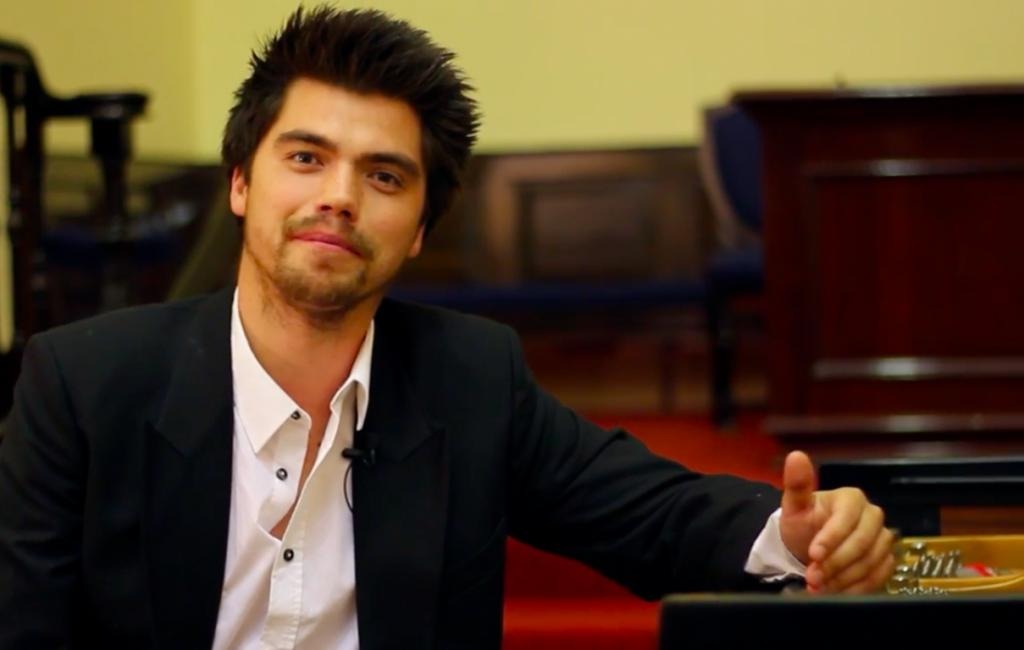
Jaroslav Tāne Novak
Jaroslav Tāne Novak is the co-founder of Music Ecademy – a web-based platform for teaching music theory and aural skills. He holds degrees from the University of Otago, where his Master’s thesis focused on the application of software and e-learning in education. Music Ecademy is used in schools in Aotearoa New Zealand and around the world and is celebrating its 10th year of supporting music education.
PRESENTATION ON: Teaching Music Theory & Aural Training with Music Ecademy
Music Ecademy is an interactive, self-directed online resource that helps students learn music theory and aural training in a fun and engaging way, using gamified features to keep them motivated. It provides teachers with useful tools for progress tracking, assessment, and classroom management. Aligned with the New Zealand Curriculum and NCEA, Music Ecademy supports a wide range of student levels and classroom situations.
In this hands-on workshop, teachers will explore the platform directly on their own devices, experiencing both the student and teacher perspectives. We’ll cover practical ways to integrate Music Ecademy into everyday teaching – including self-paced learning, differentiated tasks, group work, homework, assessment, and blended learning models. Whether you’re teaching large mixed-ability classes, extension students, or providing extra support, this session will offer time-saving ideas and ready-to-go strategies to fit into your existing classroom routines. Please bring a laptop or tablet to fully participate.
NZUT (NZ Ukulele Trust)
Tim Carson and Ali Caldwell from the Ukulele Trust present an interactive Ukulele workshop – bring your ukulele (we’ll try and have some spares) to learn a new song to jam along in the lunchtime session, and which you can teach your class!
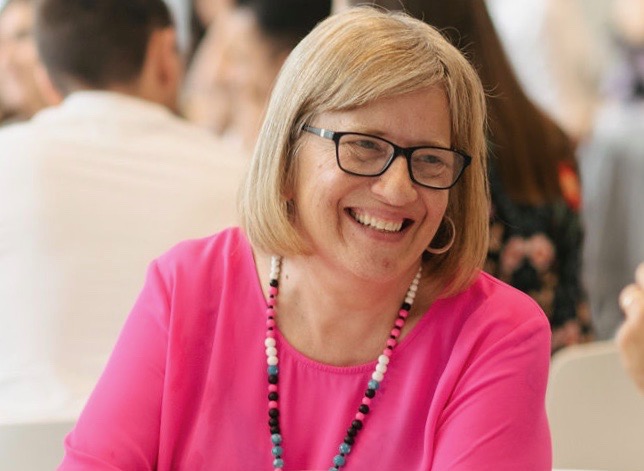
Celia Stewart
Celia is Music Director of the Christchurch School of Music, Te Kura Puoro where she runs foundation classes for pre-school and junior school children, and teaches flute, recorder and piano. Along with Judith Bell, she is co-director of an annual children’s music festival in Ōtautahi, Strum, Strike and Blow. She is passionate about Orff Schulwerk and is a national trainer for Levels Courses and brings her knowledge of this approach along with her Kodaly training to her music teaching. In 2019 Celia was awarded an MNZM for services to music education.
PRESENTATIONS ON: (1) Waves, Sand and Sunshine, exploring songs, imagery and movement (ECE) It might be the middle of winter but thoughts of sunshine, waves and sands can support us to look forward to warmer times. In this workshop we will explore ways of using songs, poetry, movement and instrument play as the starting points for musical creations.
(2) Exploring pitch in Early Childhood: Pitch is one of the important elements in music for young children and can be one of the more difficult concepts for children to understand. In this workshop we will explore a wide range of activities for exploring pitch including scale songs, props and puppets.
Andrew Stopps
Andrew Stopps is a composer, educator, and advocate for music teacher wellbeing. A former Head of Music in schools across Australia, the UK, and New Zealand, he brings 30 years of experience to his current role as a mentor and workshop facilitator. After surviving two strokes in 2021, Andrew redirected his passion toward supporting other educators through recovery, resilience, and practical wellbeing strategies. He is the author of the Secondary Music Teachers Guide, a resource designed to empower teachers with effective tools for the classroom. His key area of interest lies in promoting sustainable teaching careers by addressing the mental health and professional needs of music educators. Andrew continues to compose alongside his advocacy work and is committed to building supportive, informed communities of practice within music education.
PRESENTATION ON: The Secondary Music Teachers Guide
In this session, Andrew Stopps introduces his new resource, The Secondary Music Teachers Guide, available in both digital and hardcopy formats. Designed specifically for New Zealand music educators, the guide offers practical tools, curriculum strategies, and professional insights. This launch will highlight the chapter on Teacher Wellbeing, focusing on sustainable teaching practices, managing stress, and building resilience. Attendees will gain practical takeaways to support their own wellbeing and that of their colleagues, with time for Q&A and discussion around shared challenges in the profession.
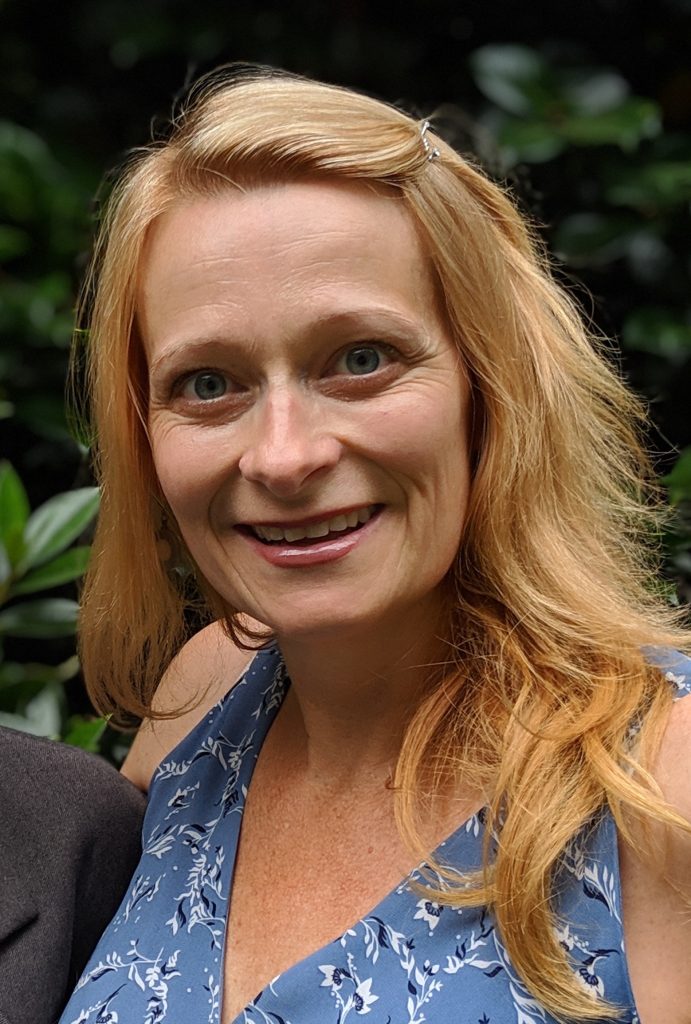
Ginnie Thorner
Ginnie Thorner thoroughly enjoys working in all aspects of education. She is a specialist dance and drama teacher in Christchurch working with students aged 5 – 18yrs and also works with teacher trainees at NZGSE. Most of her work is focused on drama for inquiry – usually in science and humanities, particularly around understanding complex emotions. She has a real passion for student voice and student devised work, and helps students use theatre to express their thinking around issues that they experience in their world.
PRESENTATION ON: Creating the junior musical “The Aurora Stone” with Duncan Ferguson and Ginnie Thorner
In 2024 the year 7 and 8 students at St Andrew’s College created a musical, with music written by year 13 music students as their NCEA composition task. This workshop focuses on our workflow to conceive and then deliver a high quality, original musical.